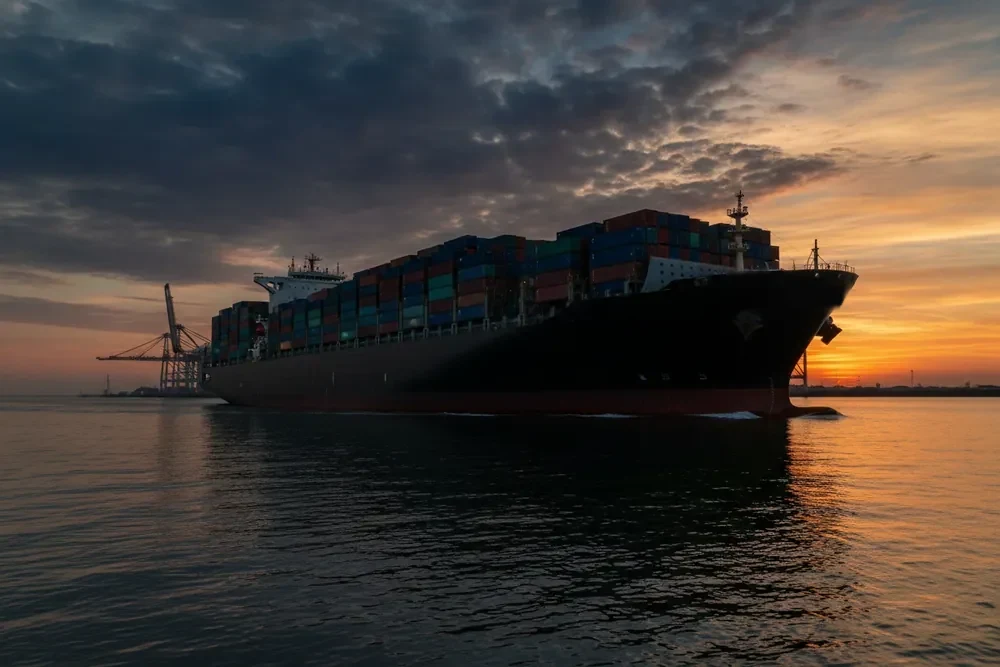
The Future of Global Supply Chain
The last five years taught every importer the same lesson: the cheapest route is only cheap until it breaks. The supply chains that held up best had three things in common, and they show where the industry is heading.
First, more than one route. Companies that could switch a lane from Shanghai to Ho Chi Minh City, or move urgent stock from sea to air for a few weeks, kept their shelves full while others waited. Dual sourcing and a forwarder who can change the plan quickly are now normal, not a luxury.
Second, stock closer to the customer. Near-shoring to Mexico and holding more inventory in regional warehouses cost more on paper, but they remove the weeks of ocean transit between a jump in demand and a delivery.
Third, data you can act on. Container positions, customs status and warehouse stock in one view let a planner see a delay days earlier and reroute before it turns into a stock-out.
None of this needs a moonshot. It needs a partner who plans for the lane you use today and the one you might need next month.

How to Choose the Right Freight Forwarder
A good freight forwarder does far more than book space on a ship. Before you sign, ask these five questions.
Do they know your lanes? Ask how many shipments they moved last year on the routes you use, and who handles your cargo at each end. A forwarder with its own office at origin catches a problem at the factory before it becomes one at the port.
Is the quote complete? Compare quotes line by line: freight, fuel and security surcharges, terminal handling, documents, customs and delivery. A low headline rate often hides fees that only appear on the final invoice.
Who answers when something goes wrong? You want a named person, a direct number and an answer within the hour, not a ticket number.
Can you see your cargo? Tracking should show the vessel or flight, the container number and the customs status without you having to email for an update.
Are they licensed and insured? Check their licence with the regulator (the FMC in the United States), their liability limits and whether they can insure your goods for their full value.

5 Tips to Reduce Logistics Costs
1. Fill the container. A 40ft container costs far less than two 20ft ones. If you regularly ship 12 to 15 cubic metres, combining two orders into one full container is often cheaper than two shared shipments.
2. Book earlier. Space booked three to four weeks ahead avoids peak surcharges and the cost of last-minute air freight when a sea shipment misses its cut-off.
3. Check your packaging. Air and shared-container freight are charged on volume as well as weight. Right-sizing cartons and pallets to cut empty space can take 10 to 20 percent off the bill.
4. Get the paperwork right. Most customs delays and storage charges come from a wrong commodity code, a missing certificate or an invoice that does not match the packing list. Send documents to your forwarder before the cargo ships.
5. Review your terms of sale. Buying on FOB terms and booking the freight yourself usually gives you better rates and control than letting your supplier arrange it, because their forwarder has no reason to find you the best price.
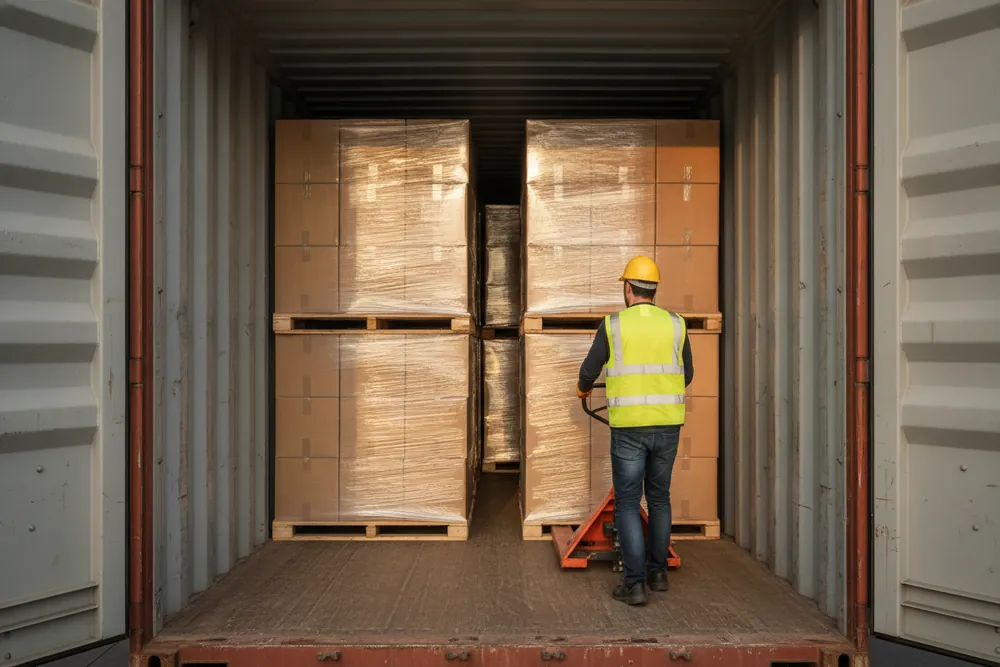
FCL or LCL? Choosing the Right Ocean Freight Option
Full container load (FCL) means a container for your cargo alone. Less than container load (LCL) means your cargo shares a container with other shippers' goods, and you pay only for the space you use.
The break-even point is usually between 13 and 15 cubic metres. Below that, LCL is cheaper; above it, a 20ft container often costs the same or less, and your cargo is handled far less.
Speed matters too. LCL cargo is consolidated at origin and unpacked at destination, which adds three to seven days compared with FCL on the same lane.
Fragile or high-value goods travel better in FCL. The container is sealed at your supplier and opened at your door, so nobody else handles your cartons on the way.
If you are in between, ask for both prices. We quote LCL and FCL side by side for the same shipment, with transit times, so the choice is based on numbers rather than habit.

Peak Season Shipping: A 90-Day Checklist
From August to November the run-up to the holidays fills ships and planes. Rates rise, space disappears and a missed booking can mean a missed season. Here is how to plan for it.
90 days out: share your forecast with your forwarder. Agree how many containers you need each week and lock in space and rates for the peak months.
60 days out: confirm production dates with your suppliers and build in a week of buffer. Check that invoices, packing lists and certificates are ready, so paperwork never holds a container.
45 days out: book warehouse space and extra fulfilment staff for the arrivals. If a product is critical, plan a small air shipment as a backup.
30 days out: track every container weekly, and move anything running late from sea to air while there is still time to save the launch.
After the peak: review what arrived late and why, and use it to plan next year's contract.